Why this archive exists

Northern Coast Lighthouses gathers images, records, and lived memory to show how coastal towers guided work, weather, and community across generations.

Along the northern shoreline, lighthouse stations formed a chain of visibility between dangerous reefs, working harbors, and open sea. Their logs, maintenance notes, and photographs reveal a coast shaped as much by routine service as by dramatic storms.

Keeper families, seasonal crews, and local residents all appear in the record. By placing their stories beside tower plans and shoreline views, this collection reads lighthouse history as daily labor, adaptation, and care for shared passage.

Today, preserved towers remain orientation points for both memory and place. To continue through the collection, explore the map of preserved towers or browse the photo archive.
Keeper stories

Life inside the light was measured in small, repeated acts of care.

These short vignettes focus on routines, weather, and memorythe human rhythm behind towers that now seem still.

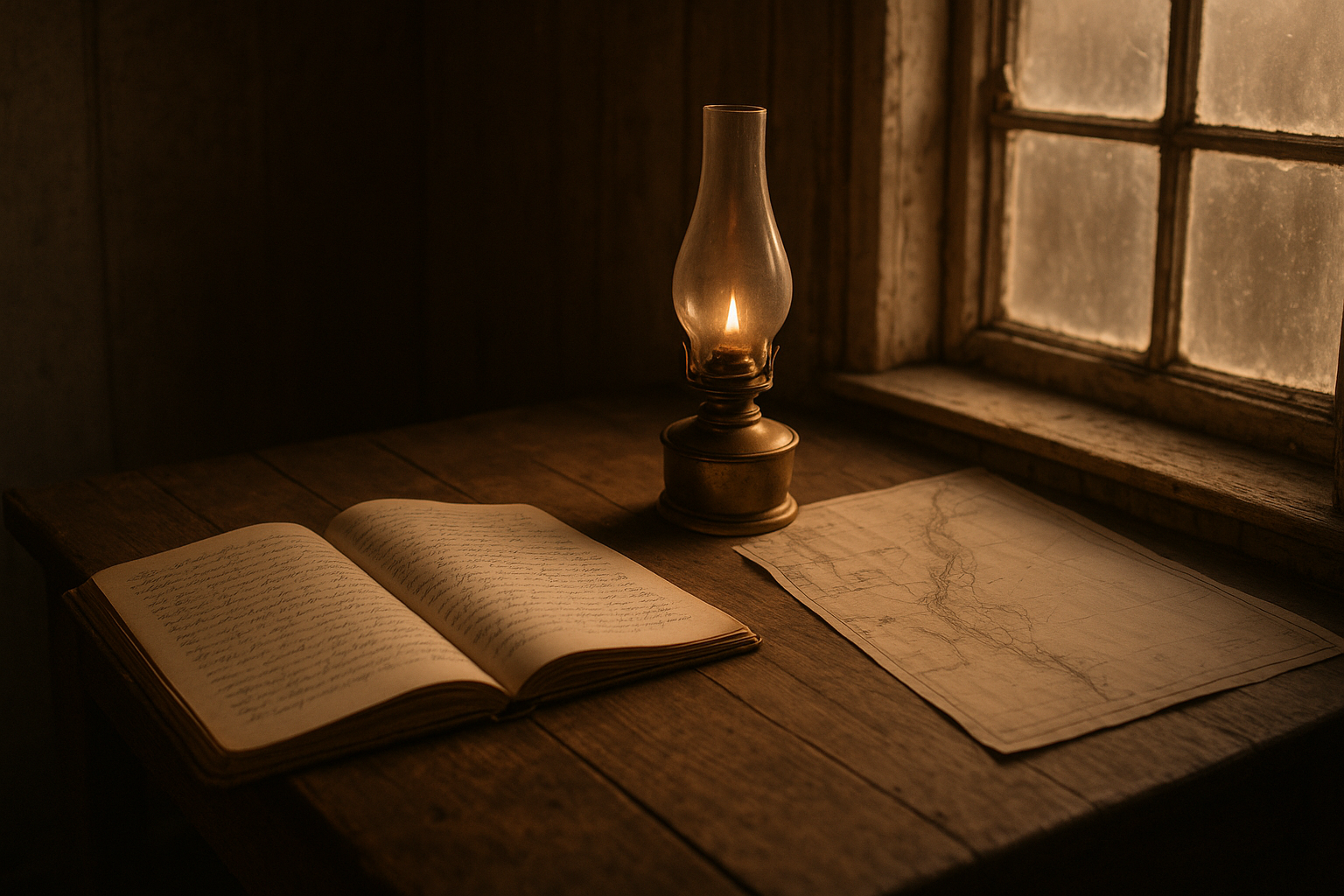
Before dawn, the desk lamp came first.

In cold months, keepers often began in near-darkwarming ink, checking pressure notes, and rewriting watch entries so the next shift could read them clearly. The room was quiet except for wind against glass and the scratch of a pen.

A weathered wooden desk inside a lighthouse quarters with an open logbook, brass oil lamp, and folded coastal chart in warm morning light
Watch log and lamp table  archive reconstruction

Focal vignette

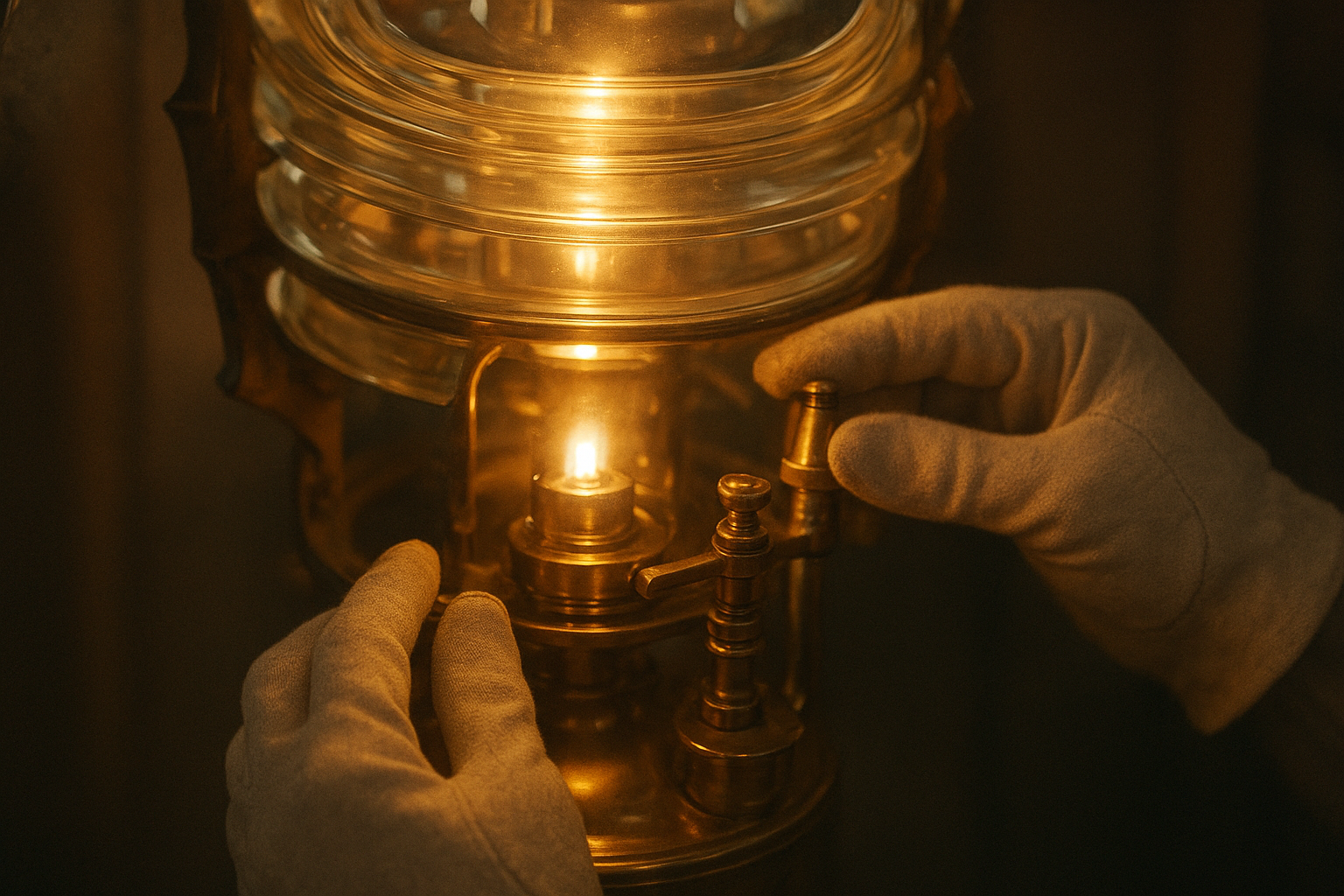
Trimming, cleaning, and setting the lens was patient worknever dramatic, always exact.

Most evenings were spent polishing soot from glass, checking wick height, and aligning the beam before fog thickened. What survives in notes is not heroics, but concentration: repeated tasks done well enough to be trusted by ships miles offshore.

Close view of a lighthouse Fresnel lens and brass lamp housing with a keeper's gloved hands adjusting the mechanism
Lamp room detail  evening maintenance

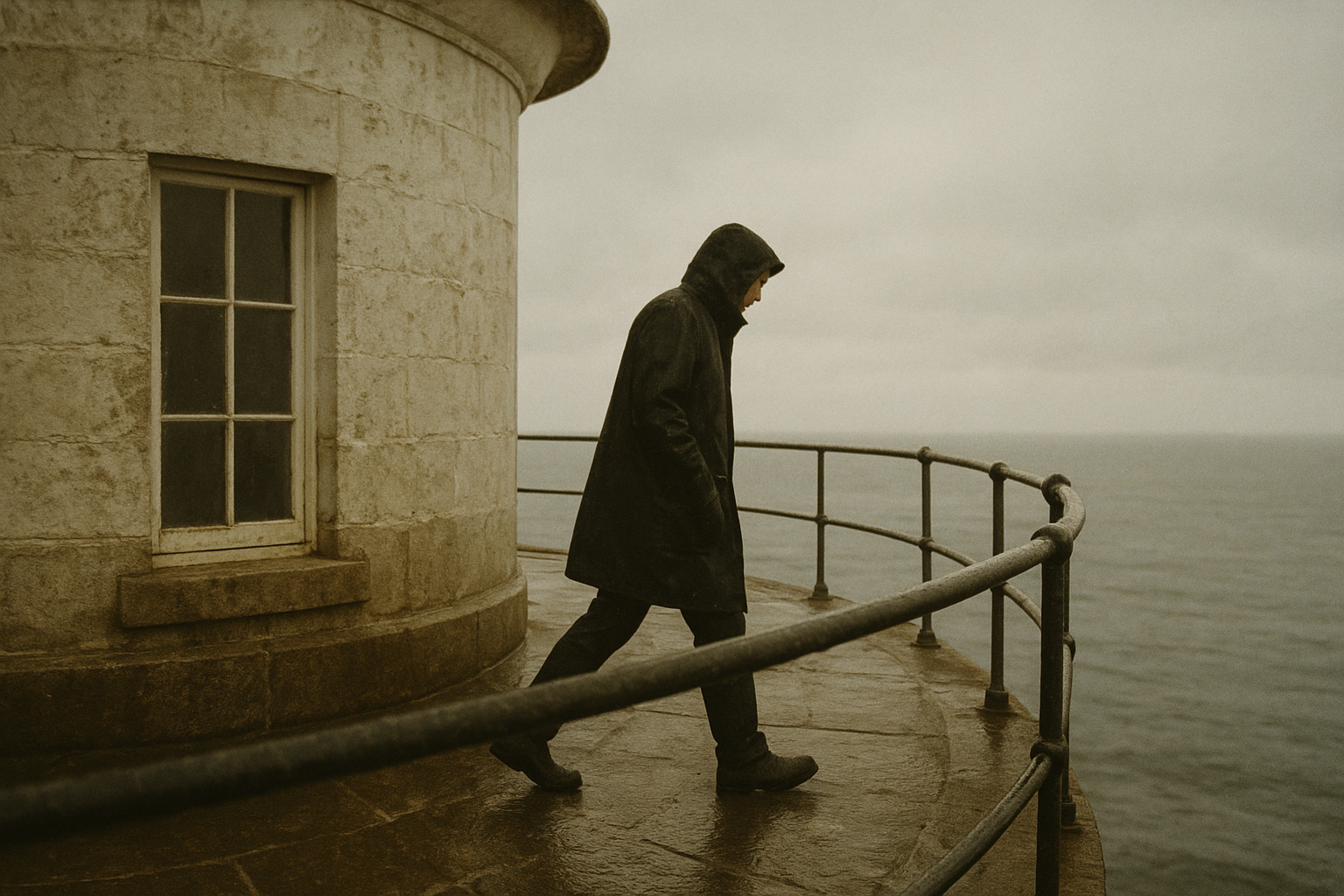
When storms passed, the first walk was always outside.

After heavy weather, keepers inspected rails, glass, and signal gear before breakfast. Many margin notes mention ordinary observationswet rope, shifted stones, gulls returningbecause the coast was read each day as carefully as any instrument.

A solitary figure in heavy coat walking a lighthouse gallery after rain, with damp metal railings and grey coastal sky
Gallery inspection after weather

Preservation note

Why these towers still matter

Preserved lighthouses connect working maritime history to present-day coastal life. Their care keeps navigation stories legible, public routes safer, and local memory anchored to real places.

Explore the preserved towers map Bridge from story to place